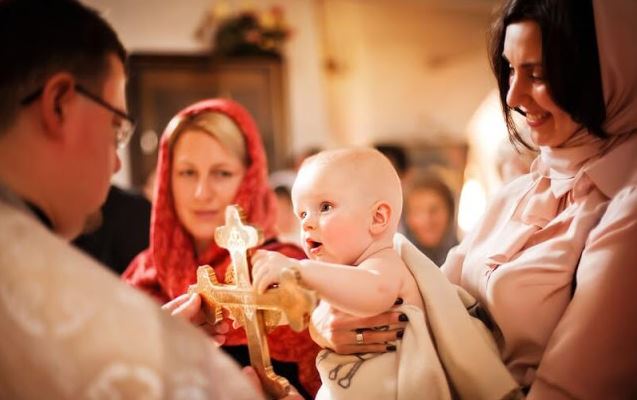
8 Ways To Deepen Your Spiritual Relationship With Your Godchild
Orthodox godparents play a pivotal role in the lives of their godchildren. Find out how to enrich that spiritual relationship in this post!
Orthodox godparents play a pivotal role in the lives of their godchildren. Find out how to enrich that spiritual relationship in this post!
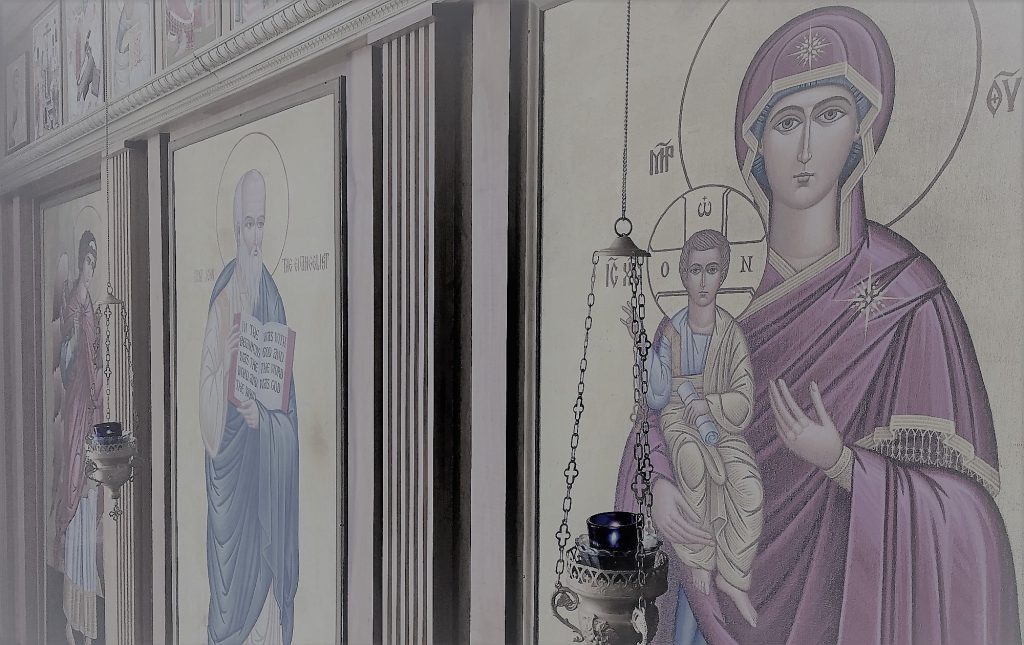
In this post, we explain why dogma is so important to the Orthodox Church, and why it should also be important for every Orthodox Christian.
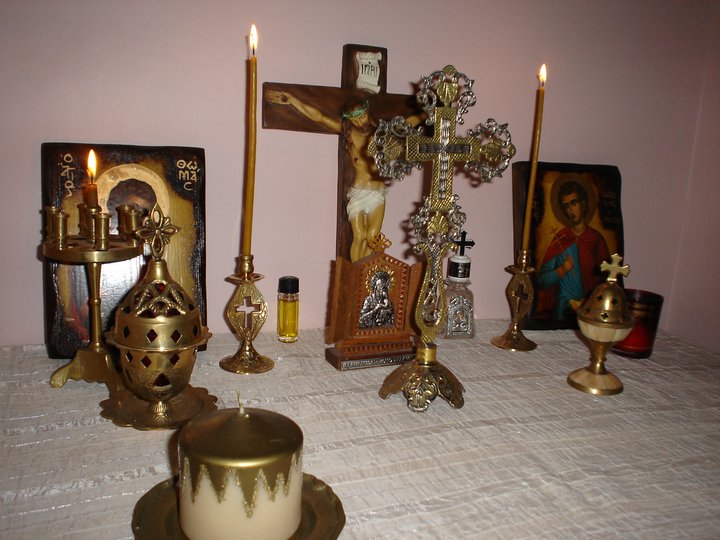
Orthodoxy is a way of life, not a religion. In this post, we list 9 things Orthodox parents can do to keep the Orthodox Faith alive at home.
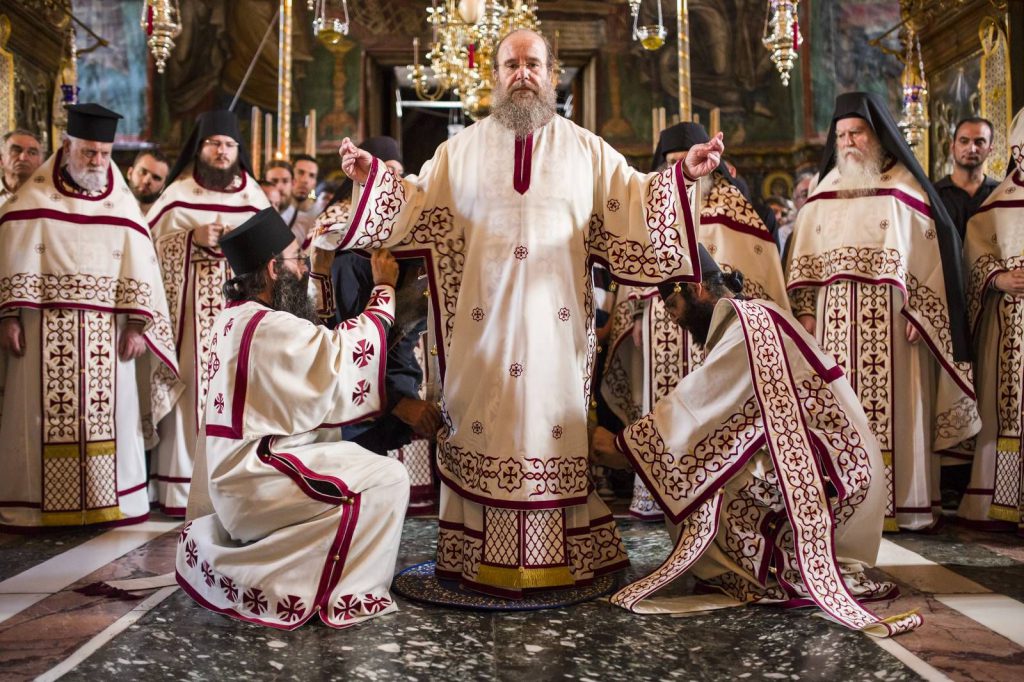
Ordination (“selection by outstretched hand”) is one of several holy Sacraments in the Eastern Orthodox Church, imparted on ALL the faithful.
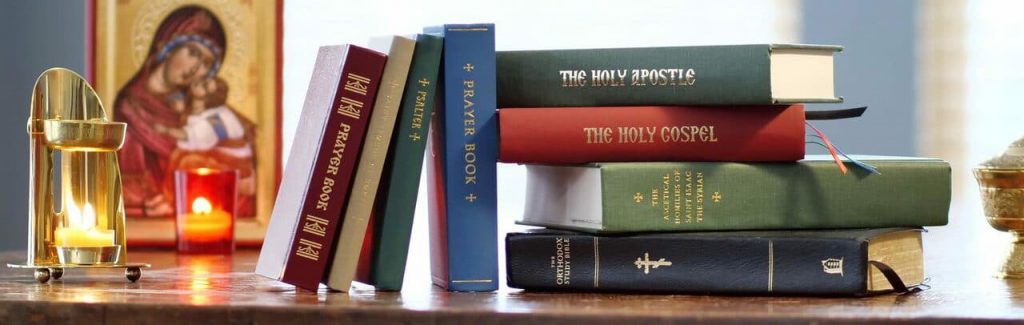
In this post, we share a list of recommended books for Orthodox inquirers, or for those strongly considering baptism into the Church.
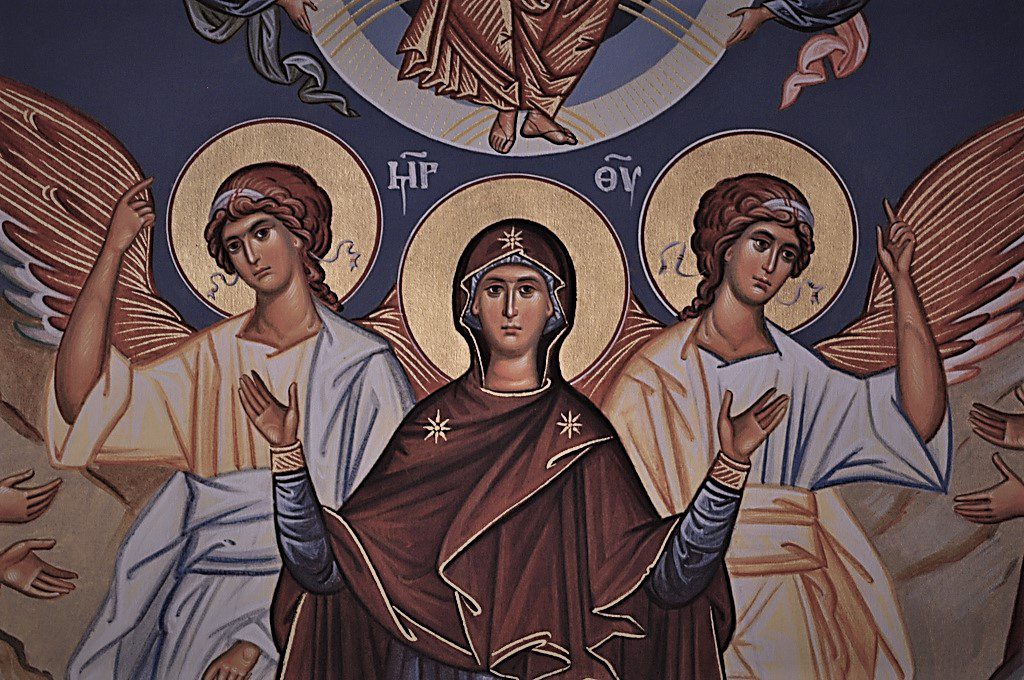
Despite what many Protestant Christians believe, Holy Scripture does support the Traditional belief that Mary always remained a virgin.
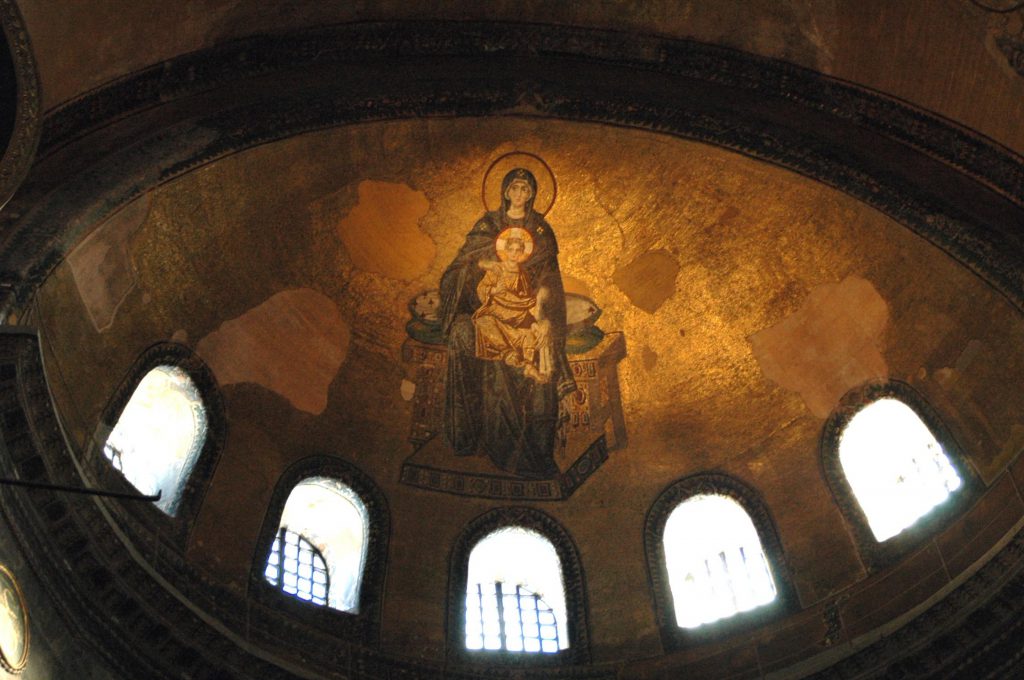
In the Eastern Orthodox Church, we call the Virgin Mary “Theotokos”, because she is the mother of our Lord and God and Savior Jesus Christ.
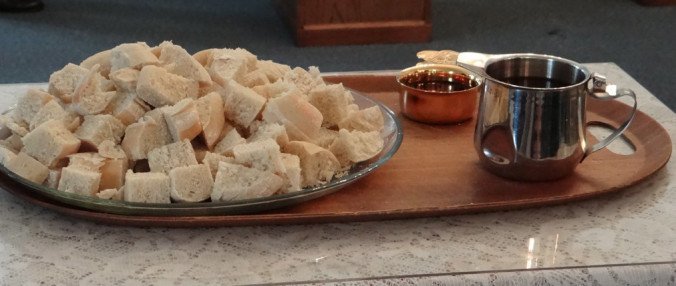
In this post, we explain what blessed bread is and lay out some basic etiquette guidelines for receiving blessed bread during services.
In this post, we’ll give you some advice on how to handle your little ones during church services.

In this post, we outline some basic rules for modest and respectful dress for men and women in an Orthodox church.
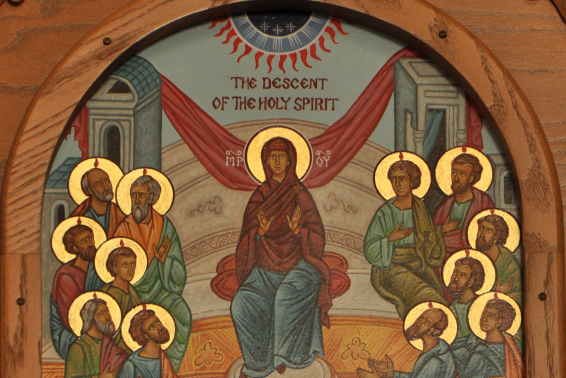
In this post, we explore Chrismation in the Orthodox Church, our receiving of the Gift of the Holy Spirit, as the Apostles did at Pentecost.

We live in a world that constantly competes for our attention. A notification interrupts our prayers. A glance at social media turns into half an
Explore the dynamics of blended families within the Orthodox Church and find guidance for creating a united family home.

Understand the key differences between Eastern Orthodox and Eastern Catholic traditions in this comprehensive guide.

Explore the relationship between faith and science and learn how the Orthodox Church navigates the faith vs science debate.
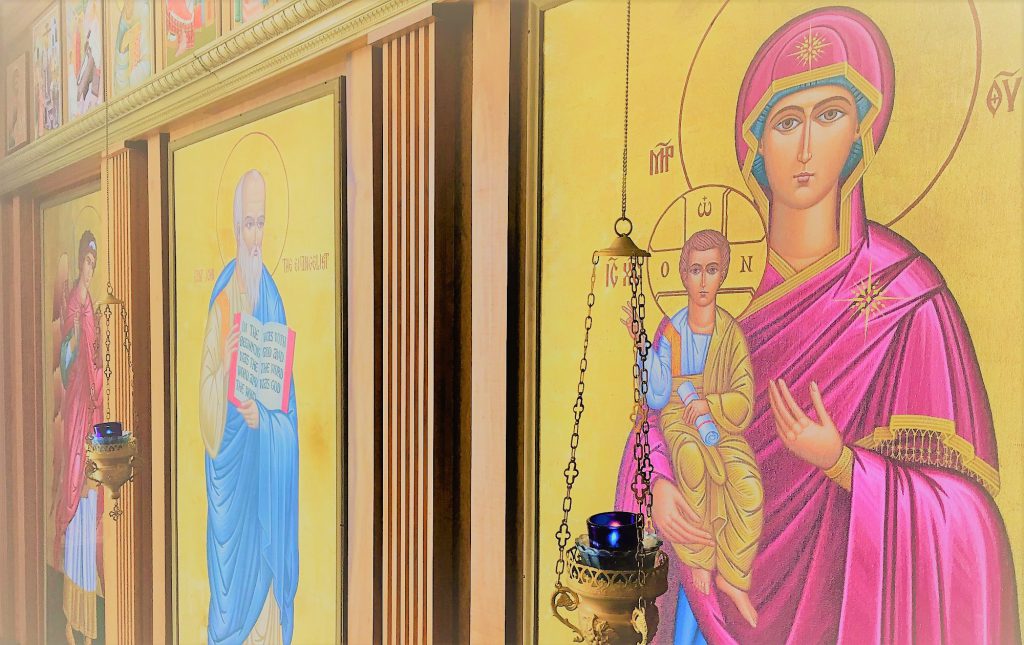
Learn about the dogma of the Immaculate Conception and why Orthodox Tradition does not support this innovative doctrine.

We see many misconceptions about the Orthodox Church’s teachings about divorce and remarriage. In this post, we clear up those misunderstandings.

Many wonder what happens to those who never hear the gospel. Discover how Orthodoxy addresses this question with hope and compassion.
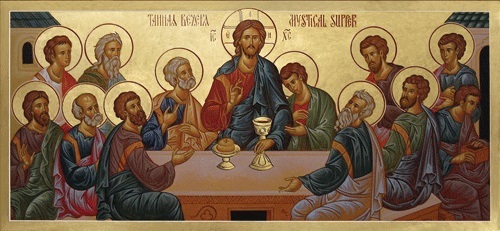
In this post, we explain who can and cannot receive Holy Communion during an Orthodox Liturgy.
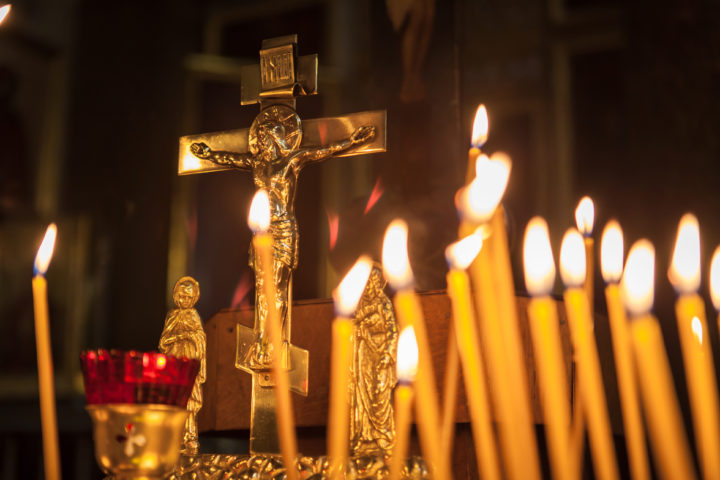
A reflection on the repose of Fr. Seraphim Moslener, beloved Orthodox priest, and the funeral services held in New Castle, PA, and at the Monastery of the Transfiguration.