
Preparing for the Nativity: An Orthodox Christian Guide to the Nativity Fast
Christmas is a season of joy, wonder, and celebration. We decorate our homes, gather with family, prepare special meals, and look forward to exchanging gifts with those we love. But for Orthodox Christians, the Feast of the Nativity means far more than the traditions surrounding December 25. It celebrates the Incarnation of the Son of God, who took on our humanity for our salvation. How, then, can we prepare our hearts to celebrate such a profound mystery?
The Orthodox Church gives us a season of preparation: the Nativity Fast, a 40-day period that begins on November 15 and continues through December 24. During this time, we are invited to turn our attention away from the distractions of daily life and toward the coming of our Lord and Savior, Jesus Christ.
Just as the people of God awaited the promised Messiah, we prepare to celebrate the fulfillment of that promise in the birth of Christ. Through prayer, repentance, fasting, reading Holy Scripture, and acts of love toward our neighbors, we can enter more deeply into the spiritual meaning of the Nativity.
The goal is not simply to arrive at Christmas having followed a set of rules. It is to prepare ourselves to receive Christ with humble and grateful hearts, allowing the joy of His coming to transform the way we live. So, how can we make the most of the Nativity Fast? Let’s explore five ways to prepare spiritually for the birth of our Savior.
13 minutes
The true miracle of the Nativity
The Nativity of Christ holds a special place in the life of the Orthodox Church. We spend 40 days preparing for this feast and continue celebrating it after December 25. But what makes Christ’s birth so extraordinary? The Prophet Isaiah offers a glimpse of this great mystery:
Therefore, the Lord Himself will give you a sign: Behold, the Virgin shall conceive, and bear a son, and shall call His name Emmanuel.
— Isaiah 7:14
Centuries before Christ’s birth, the Prophet Isaiah foretold the coming of Emmanuel, meaning “God with us.” In the Nativity, this promise is fulfilled: the eternal Son of God takes on human nature and enters the world to bring us salvation. The birth of Christ is not simply the story of a child born in Bethlehem. It is the revelation of God’s immeasurable love for humanity.
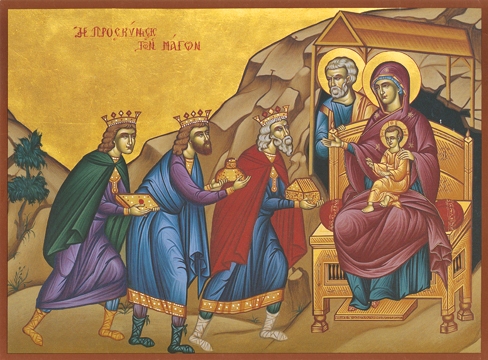
During the Nativity Fast, we prepare ourselves to celebrate this wonderful mystery. Just as God’s people awaited the coming of the promised Savior, we turn our hearts toward Christ and the new life He offers us.
It’s easy to become caught up in the many preparations that accompany Christmas. We shop for gifts, decorate our homes, plan festive meals, and make time for family and friends. These traditions can be meaningful ways to share our love with others, but they can also distract us from the reason we celebrate.
Our spiritual preparation helps us look beyond the festivities and remember what Christmas truly means. As we approach the Nativity, we are invited to examine our relationship with Christ, grow in love for our neighbors, and make room in our hearts for the One who came to dwell among us.
The Nativity Fast offers us an opportunity to prepare not only to celebrate Christ’s birth, but also to welcome Him more fully into our lives.
How should we personally prepare?
The Nativity Fast is an opportunity to renew our relationship with God and prepare our hearts to celebrate the birth of Jesus Christ. But spiritual preparation doesn’t happen simply because we abstain from certain foods or observe a particular season of the Church year. It requires us to make room for God in our daily lives and allow His grace to transform us.
The Orthodox Christian tradition offers us several ways to do this. Through prayer, repentance, fasting, reading Holy Scripture, and helping others, we learn to turn away from distractions and toward the love of God and our neighbors.
Let’s take a closer look at these five practices and how we can incorporate them into our preparation for the Nativity.
Prayer
Prayer is how we draw near to God, offering Him our thanks, bringing Him our struggles, and learning to turn our hearts toward His will. Whether we pray privately at home, with our families, or together in the Divine services, prayer helps us grow in our relationship with God and recognize His presence in our daily lives. We also ask the Saints to pray for us, joining our prayers with theirs as members of Christ’s Church.
During the Nativity Fast, we can make a special effort to deepen our prayer lives. This might mean setting aside a few extra minutes each day for prayer, attending additional Church services when possible, or praying together as a family. We can also give thanks for the extraordinary gift of our Lord’s Incarnation: Jesus Christ took on our humanity so that we might be reconciled to God and share in His divine life.
We don’t need to begin with an elaborate routine. Even a small, consistent commitment to prayer can help us approach the Feast of the Nativity with greater attentiveness and gratitude.
Read More: The Power Of The Jesus Prayer
Repentance
Repentance is the ongoing process of turning our hearts and lives toward God. It invites us to recognize where we have fallen short, seek His forgiveness, and allow His grace to transform us. During the Nativity Fast, we have a special opportunity to examine our hearts, reflect on our relationships with God and others, and consider where we may need to make a change.
One important part of this process is the Sacrament of Confession, in which we confess our sins before God with the guidance of our priest or spiritual father. Through confession, we seek healing and reconciliation with God and take steps toward a renewed life in Christ. We can also use this season to seek forgiveness from those we have hurt and work toward reconciliation where possible.
As we prepare to celebrate the birth of our Savior, repentance helps us look beyond our shortcomings and remember the boundless love and mercy of God. Christ came into the world to bring us healing and salvation. The Nativity Fast invites us to respond to this gift by returning to Him with humble and open hearts.
Keep Reading: How to Prepare for Confession
Fasting
Fasting is an important part of preparing for the Nativity. During the 40-day Nativity Fast, the Orthodox Church invites us to practice self-restraint and simplify our lives so that we can turn our attention more fully toward God. The traditional fast involves abstaining from certain foods, but its purpose extends far beyond what we eat.
When we fast, we learn to recognize our desires without allowing them to govern us. We make room for prayer, cultivate gratitude, and remember those who lack the food and resources we may take for granted. Fasting also reminds us that our spiritual lives cannot be separated from how we treat others.
The Nativity Fast is not meant to become a source of pride or a burden we carry alone. We each have different circumstances and needs, so it’s important to follow the Church’s fasting tradition with guidance from our priest or spiritual father. If health concerns or other circumstances make fasting difficult, we can seek guidance on how to participate in a way that is appropriate for us.
As we prepare for the birth of Christ, let fasting become more than an outward observance. Let it help us grow in self-control, generosity, and love for God and our neighbors.
Reading of Holy Scripture
Reading Holy Scripture helps us draw closer to God and better understand His plan for our salvation. Through the words of the Prophets, we hear the promises God made to His people; through the Gospels, we encounter the life and teachings of Jesus Christ. Scripture reminds us of God’s faithfulness and helps us prepare our hearts to celebrate the fulfillment of His promise in the Nativity.
During the Nativity Fast, we can set aside time each day to read the Bible and reflect on what God is teaching us. We might begin with the Gospel accounts of Christ’s life, revisit the prophecies concerning the coming Messiah, or read the daily Scripture readings appointed by the Church. Even a few minutes of attentive reading can help us turn our thoughts toward Christ amid the busyness of the season.
As we read, we can ask ourselves how God’s Word speaks to our lives: What does it reveal about His love? Where is He inviting us to grow? How can we put His teachings into practice in our relationships with others? By approaching Scripture with prayer and humility, we allow it to shape not only our understanding, but also the way we live.
As we prepare for the Feast of the Nativity, let us make room for God’s Word and remember the One whose coming it proclaims.
Helping Others
As Orthodox Christians, we are called to love God and our neighbors not only through our prayers, but also through our actions. During the Nativity Fast, we have a special opportunity to put that love into practice by caring for those around us, especially those who are struggling or in need.
There are many ways to serve others during this season. We can donate food or clothing, support charitable ministries, visit someone who is lonely, offer our time to a person who needs help, or simply be more attentive to the needs of our family, friends, and neighbors. Even small acts of kindness can become meaningful expressions of Christ’s love when we offer them with humility and sincerity.
Almsgiving has a special place in the Orthodox tradition of fasting. As we practice self-restraint, we can also consider how to share what we have with those who have less. The Nativity Fast reminds us that preparing to receive Christ means making room for Him in our hearts—and recognizing His image in the people around us.
As we approach the Feast of the Nativity, let us look for opportunities to give generously, serve joyfully, and love without expecting anything in return. In caring for others, we prepare not only to celebrate the birth of our Savior, but to live more faithfully according to His example.
Things to do as a family during the Nativity fast
The Nativity Fast is a wonderful opportunity for families to grow closer to God together. Amid the busyness of the holiday season, we can make intentional choices that help our children understand the meaning of Christ’s birth and prepare to celebrate the Feast of the Nativity with faith and joy.
Here are a few ways to observe the Nativity Fast as a family:
- Pray together each day. Set aside a few minutes for family prayer, whether in the morning, before bed, or before meals. You might also pray for people who are sick, lonely, or in need.
- Read the Nativity story. Read the Gospel accounts of Christ’s birth and talk about what they teach us about God’s love for humanity. You can also explore the Old Testament prophecies that point toward the coming of the Messiah.
- Practice generosity. Choose a charitable activity to do together, such as donating food, collecting winter clothing, or supporting a ministry that serves families in need. Help children see that giving is one way we share Christ’s love.
- Make room for worship. Attend Divine Liturgy and other Church services together when possible. These shared experiences help children participate more fully in the life of the Church and prepare for the feast.
- Simplify and focus on what matters. Consider setting aside some of the season’s distractions to make more time for prayer, meaningful conversations, and serving others. Let your family’s preparations reflect the peace and joy of Christ’s coming.
Every family will observe the Nativity Fast a little differently. Start with one or two practices that feel manageable, and ask your priest for guidance as needed. The goal isn’t to create a perfect holiday routine, but to help your family grow in faith and prepare your hearts to welcome Christ.
Questions for personal reflection
The Nativity Fast offers us an opportunity to pause, reflect, and consider how we are preparing our hearts to receive Christ. Along with examining our spiritual lives, we can spend time reflecting on the prophecies that foretold the coming of our Savior and the fulfillment of God’s promises in the birth of Jesus Christ.
Read and Reflect on the Prophecies of Christ’s Coming
The Old Testament prophets spoke of the coming Messiah centuries before His birth. During the Nativity Fast, set aside time to read these passages and reflect on how they point toward Christ and God’s plan for our salvation.
- Isaiah 7:14–15 — The sign of Emmanuel, “God with us.”
- Isaiah 9:1–5 — The coming of the promised Child and Prince of Peace.
- Isaiah 61:1–3 — The anointed One who brings good news, healing, and freedom.
- Daniel 9:25 — The prophecy concerning the coming of the Anointed One.
- Micah 5:2–3 — The ruler of Israel who would come from Bethlehem.
- Malachi 3:1 — The messenger who prepares the way for the Lord.
As you read, consider how these prophecies reveal God’s faithfulness and prepare us to understand the mystery of the Nativity. You might also read the Gospel accounts of Christ’s birth in Matthew 1–2 and Luke 1–2, reflecting on how the promises of God are fulfilled in Jesus Christ.
Questions for Personal Reflection
As you prepare for the Feast of the Nativity, take time to consider these questions in prayer:
- My relationship with God: How am I preparing my heart to welcome Christ? What might I change in my daily life to draw closer to Him?
- My relationship with myself: What habits, attitudes, or distractions are keeping me from growing spiritually? Where do I need God’s healing and guidance?
- My relationship with others: Is there someone I need to forgive, reconcile with, or serve more generously? How can I show greater patience and love to those around me?
- My witness to the world: How can I become a clearer sign of God’s love through my words and actions, especially toward those who are struggling or in need?
- My spiritual growth: What is one practical step I can take during the Nativity Fast to grow in prayer, repentance, humility, or love?
These questions aren’t meant to produce guilt or discourage us when we recognize areas where we struggle. Rather, they invite us to approach God honestly and ask for His help. We don’t prepare for the Nativity through our efforts alone, but through His grace working within us.
As we reflect on the prophecies, the Gospel accounts, and our own spiritual lives, may we grow in wonder at the mystery of God’s love: that the eternal Son of God took on our humanity to bring us salvation. May this season help us prepare to celebrate His Nativity with renewed faith, gratitude, and love.
Preparing to welcome Christ
The Nativity Fast is an opportunity to step back from the busyness of the holiday season and focus on what matters most: preparing our hearts to welcome Jesus Christ. Through prayer, repentance, fasting, reading Holy Scripture, and acts of love toward others, we can grow closer to God and enter more deeply into the joy and wonder of His Nativity.
We don’t need to observe the fast perfectly to benefit from it. Whether you’re observing the Nativity Fast for the first time or returning to familiar practices, begin where you are. Ask your priest for guidance, choose meaningful ways to grow spiritually, and approach these 40 days with humility and a desire to draw nearer to Christ.
As we prepare to celebrate the birth of our Savior, let us remember the extraordinary gift of the Incarnation: God became man so that we might be reconciled to Him and share in His divine life. May our preparations extend beyond our holiday traditions, shaping our hearts and our lives according to His love.
May God bless you and your family throughout the Nativity Fast and grant you a joyful celebration of the Feast of the Nativity!
Christ is born! Glorify Him!
One Response
This is very informative and has blessed me during this Nativity Season. Please keep me informed of the Worship Services at your Parish. I am the pastor of St Agape Orthodox Church , Tallahassee, Fl. I am also the Vicar General of the Ancient Orthodox Catholic Church.